What Is Gum Disease Treatment and When Do You Need It?
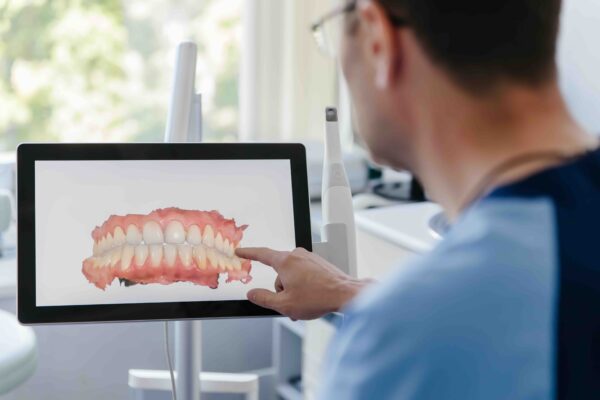
Gum disease treatment covers a range of dental care used to stop infection in the gums, protect the bone that supports the teeth, and prevent tooth loss. Some people need nothing more than a professional cleaning and better home care. Others need deeper cleaning below the gumline, repeated maintenance visits, or surgery to repair damage that has already occurred. The right treatment depends on how far the disease has progressed, how much plaque and tartar have built up, whether bone has been lost, and how well a patient can keep the area clean afterward.
What makes gum disease tricky is that it often starts quietly. Many patients expect severe pain if something serious is happening in the mouth. Gum disease does not always work that way. Early inflammation can look like a little bleeding while brushing, some puffiness around the teeth, or breath that never seems fully fresh. By the time teeth feel loose, the disease is usually well advanced.
Dentists and hygienists see this pattern all the time. A patient may come in saying, “My teeth don’t hurt, but my gums bleed every morning.” Another says, “I thought flossing was causing the bleeding, so I stopped.” In reality, healthy gums do not bleed easily. Bleeding is usually one of the first clear signs that the tissue is inflamed and needs attention.
Understanding what gum disease really is
Gum disease begins with plaque, a sticky film of bacteria that forms on teeth every day. If plaque is not removed well, it hardens into tartar, also called calculus. Tartar cannot be brushed off at home. Once that rough material sits near or under the gums, bacteria can thrive there and trigger inflammation.
In the earliest stage, the problem is called gingivitis. The gums may look redder than usual, appear swollen, or bleed during brushing and flossing. At this point, the bone and connective tissues that support the teeth have not yet been permanently destroyed. That matters, because gingivitis is usually reversible with proper care.
advanced gum disease treatment optionsIf the inflammation continues, it can progress to periodontitis. That is the more serious form of gum disease. The gums start to pull away from the teeth, forming pockets where bacteria collect. Over time, the body’s inflammatory response and bacterial activity damage the bone and ligament that hold the teeth in place. This damage is much harder to reverse. Treatment can control the disease and slow or stop progression, but lost support does not always fully come back.
This is why the phrase Gum Disease Treatment can mean very different things from one person to the next. For one patient, it means a timely cleaning and education on brushing technique. For another, it means extensive therapy to manage deep pockets, exposed root surfaces, and mobility.
The signs that should not be ignored
Many people normalize symptoms that deserve a dental evaluation. Gum disease is common, but it is not harmless, and it is not something to “watch” for months without guidance.
The most common signs include the following:
- bleeding when brushing or flossing
- swollen, tender, or shiny gums
- persistent bad breath or a bad taste in the mouth
- gums pulling away from the teeth, making teeth look longer
- loose teeth or changes in how the bite fits together
Not every case includes every sign. Some smokers, for example, have less visible bleeding because nicotine constricts blood vessels. Their gums can look deceptively calm while significant disease develops underneath. That is one reason smoking is such a strong risk factor. It not only worsens gum disease, it can hide it.
Another important point is that occasional bleeding after a long break from flossing is still a warning. Many people assume blood means they should stop flossing. Usually the opposite is true. If the tissue is inflamed, gentle, regular cleaning tends to improve the bleeding over time. If bleeding persists for more than a week or two of consistent home care, or if it is heavy from the beginning, it is time to get examined.
When do you actually need Gum Disease Treatment?
You need Gum Disease Treatment when signs of inflammation or infection are present and simple home care is not enough to resolve them, or when a dental exam shows disease beneath the surface. That may sound broad, but in practice the decision is based on measurable findings.
A dentist or hygienist typically checks the gums by measuring pocket depths around each tooth, looking for bleeding, identifying tartar above and below the gums, and evaluating bone levels on dental X-rays. Healthy pockets are generally shallow and easy to clean. Deeper pockets can trap bacteria in places a toothbrush and floss cannot reliably reach.
A patient with mild gingivitis may need a routine professional cleaning, instruction on better plaque removal, and a follow-up to make sure the tissues improve. A patient with deeper pockets, tartar below the gumline, and X-ray evidence of bone loss usually needs more than that. In those cases, delaying treatment tends to make care more complicated and more expensive later.
Certain situations raise concern even faster. If your gums bleed daily, you notice recession around several teeth, your teeth feel different when you bite down, or you have already been told you have bone loss, it makes sense to seek care promptly. Pregnancy, diabetes, dry mouth from medications, smoking, and a history of previous periodontal treatment can all increase risk and change how aggressively the condition should be managed.
The main types of treatment
There is no single universal procedure called gum disease treatment. Dentists choose from several options based on severity, anatomy, and patient factors.
For early gingivitis, a standard preventive cleaning may be enough if there is no attachment loss and the buildup is mainly above the gums. This is often paired with instruction on how to brush at the gumline, how to clean between teeth effectively, and what tools make sense for the patient. A person with tight contacts may do well with floss. Someone with wider spaces or bridges may need interdental brushes or threaders.
When disease has moved into periodontitis, the most common first step is scaling and root planing. Patients often hear this called a “deep cleaning,” though that phrase can sound more casual than the procedure really is. Scaling removes tartar and bacterial deposits from above and below the gumline. Root planing smooths the root surfaces so the gums can heal and reattach as well as possible. The area is often numbed because cleaning deep pockets can be uncomfortable.
Some practices treat the whole mouth over multiple visits, often dividing the work by side or quadrant. Others may complete treatment differently depending on the extent of disease and the patient’s tolerance. After healing, the gums are remeasured. This re-evaluation is critical. The point is not just to do the cleaning, but to see whether the tissue responded and whether pockets became easier to maintain.
If deep pockets remain, or if the anatomy makes cleaning impossible without direct access, periodontal surgery may be recommended. One common approach is flap surgery, in which the gums are gently moved back so deeper deposits can be cleaned and the bone can be assessed more clearly. In selected cases, regenerative procedures may be used in an effort to rebuild some lost bone or supporting tissue. These techniques can help in the right defect, but results vary. They are not magic repairs, and case selection matters.
Localized recession can sometimes be treated with gum grafting. This is often done to protect exposed roots, reduce sensitivity, improve cleanability, or stabilize an area that is continuing to recede. It is not always performed purely for cosmetic reasons. In some mouths, recession leaves roots vulnerable and the tissue too thin to stay healthy long term.
Antibiotics may play a role in certain situations, but they are usually not a substitute for physical removal of plaque and tartar. Bacteria living inside a hardened deposit are not solved by a pill alone. Mechanical cleaning remains the foundation of care.
What happens during a periodontal exam
Patients are often surprised by how methodical a gum evaluation is. The exam is not based on a quick glance. A small measuring instrument, called a periodontal probe, is used to check the depth of the space between the tooth and gum at several points around each tooth. Those numbers give a map of where inflammation may be localized and where deeper damage may exist.
Bleeding on probing is also recorded, because it shows where the tissue is inflamed. Mobility is checked to see whether teeth have become loose. Recession is measured, because gum levels matter both for health and for appearance. X-rays help reveal the bone support around the roots, though they do not show soft tissue inflammation by themselves.
That combination of measurements tells a story. A patient may have generalized mild inflammation from inconsistent cleaning, or severe disease concentrated around molars where access is difficult. Another may show deep pockets around a few old crowns where contours trap plaque. Good treatment planning depends on those details. Two mouths can both “have gum disease” but need very different approaches.
What treatment feels like, and what recovery is usually like
Fear keeps many people from booking care. Some imagine Gum Disease Treatment as a painful ordeal. In reality, modern treatment is usually very manageable. Scaling and root planing is commonly performed Gum Disease Treatment under local anesthetic, so the procedure itself should feel more like pressure and vibration than sharp pain. Afterward, the gums may feel tender for a few days, especially around inflamed areas that were cleaned deeply.
Patients often notice temporary tooth sensitivity after treatment. Cold water may feel sharper than usual, and roots exposed by recession can be touchy for a while. This usually settles, particularly if the patient uses a sensitivity toothpaste and keeps the teeth clean. Gums may also shrink slightly as inflammation resolves. That can make teeth look a bit longer. It is not a sign that treatment caused damage. More often, it reflects that swollen tissue has finally tightened and healed.
Surgical procedures involve a more significant recovery, but even then, most patients report that the anticipation was worse than the experience. The first few days often require soft food, careful brushing around the area, and close adherence to instructions. Healing quality depends heavily on plaque control and smoking status. A technically excellent procedure can fail if the area is not kept clean or if the patient returns immediately to habits that impair healing.
Why home care is not optional
Professional treatment is only part of the solution. Gum disease is driven by bacterial biofilm that reforms every day. If home care is weak, the problem returns. This is not a moral failing and it should not be framed as one. It is simply how the disease works.
The challenge is that “brush and floss better” is often too vague to help. Technique matters. So does choosing tools that fit the mouth and the patient’s habits. Someone with arthritis may do far better with a powered toothbrush than with a manual one. A patient with braces, implants, or bridges may need tools designed for hard-to-reach spaces. A person who never flosses because it feels frustrating may stick consistently with interdental brushes if shown how to use them.
These habits have the most impact:
- brushing twice daily with good technique at the gumline
- cleaning between the teeth every day with the right tool
- keeping regular maintenance visits after active treatment
- reducing smoking or quitting entirely
- controlling diabetes and other health conditions that affect healing
There is also a timing issue that matters in real life. Patients often do well for a few weeks after a deep cleaning because the appointment feels significant. Then routines drift. The best long-term outcomes usually come from simple habits that are realistic enough to repeat every day, even during busy weeks, travel, or stress.
The link between gum disease and overall health
It is sensible to be careful here. Gum disease does not mean every systemic problem starts in the mouth, and it helps no one to overstate the evidence. Still, there is a well-established relationship between periodontal inflammation and overall health, especially in conditions like diabetes. Poorly controlled diabetes can worsen gum disease, and severe gum inflammation can make blood sugar management harder. The relationship goes both ways.
There are also known associations between periodontal disease and cardiovascular conditions, adverse pregnancy outcomes, and other inflammatory states. Association is not always causation, and a responsible clinician should say so plainly. But the broad takeaway is practical: the mouth is not isolated from the rest of the body. Chronic infection and inflammation matter.
This becomes very obvious in daily practice with patients who have dry mouth from medications, patients receiving chemotherapy, or patients whose immune systems are compromised. Their gums can deteriorate quickly if maintenance slips. A healthy periodontium is easier to preserve than a damaged one is to rebuild.
Who is at higher risk
Some people are more prone to gum problems despite reasonable effort. Genetics likely play a role, though they do not erase the importance of daily care. Smoking remains one of the clearest risk factors. It affects blood flow, immune response, and healing. Diabetes, especially when blood sugar is not well controlled, also substantially increases risk. Hormonal changes can make gums more reactive, which is why pregnancy gingivitis is common.
Age can matter, but not because gum disease is a normal part of getting older. More often, the issue is cumulative exposure. Decades of plaque retention, old dental work with difficult margins, recession, dry mouth, and hand dexterity changes can create perfect conditions for disease progression. Medications that reduce saliva can also shift the balance. Saliva protects the mouth more than most people realize.
Crowded teeth, clenching, and grinding do not directly cause gum disease, but they can complicate it. Crowding creates plaque traps. Heavy bite forces can worsen mobility in teeth that have already lost support. This is why treatment sometimes involves multiple pieces working together rather than one isolated cleaning.
What happens if you put it off
Mild gingivitis can become periodontitis. Shallow pockets can deepen. Small areas of bone loss can spread. Once support is lost, teeth may become mobile, spaces may open, and chewing comfort may change. Patients often notice this as “my teeth shifted” or “food keeps getting stuck where it never used to.”
Delay can also affect treatment options. An area that might have been controlled with non-surgical therapy a year earlier may now need surgery, splinting, extraction, or replacement planning. That does not mean every bleeding gum line turns into a crisis. It means timing matters, and earlier care is usually simpler.
There is also the issue of comfort and confidence. Chronic inflammation can cause soreness, persistent bad breath, and embarrassment when eating or speaking closely with others. People sometimes adapt to these problems so gradually that they stop noticing how much the condition has affected daily life. After proper treatment, many say the same thing: they did not realize how much better their mouth could feel.
Maintenance after treatment is where success is decided
Active treatment is the turning point, not the finish line. Once someone has had periodontitis, they remain more vulnerable than a person who has never had it. Supportive periodontal maintenance is designed to catch recurrence early and remove deposits before they trigger deeper breakdown again.
These appointments often occur more frequently than standard six-month cleanings, sometimes every three or four months depending on the case. That schedule is not arbitrary. Bacterial recolonization, pocket anatomy, and the patient’s personal risk factors all influence how often professional care is needed.
At maintenance visits, clinicians reassess the gum condition, remove deposits, reinforce home care, and monitor any sites that look unstable. A pocket that remains at five or six millimeters with recurrent bleeding may need renewed therapy or referral to a periodontist. Stable sites can often be maintained for years when patients stay engaged.
One common misunderstanding is that successful treatment means the gums are “cured forever.” Periodontal disease is better thought of as a chronic condition that can be controlled very well, often for the long term, but not ignored once it quiets down.
Questions worth asking your dentist
If you have been told you need Gum Disease Treatment, ask how advanced the disease is, whether bone loss is present, and which areas are most affected. Ask whether the diagnosis is gingivitis or periodontitis, because that distinction changes both urgency and long-term planning. It is also worth asking what type of cleaning is being recommended and why, since patients often hear different terms and assume they mean the same thing.
You should also know what follow-up looks like. A proper re-evaluation after deep cleaning is part of good care. Without it, there is no clear way to judge whether the treatment worked or whether deeper pockets still need attention. If cost is a concern, say so early. In many offices, treatment can be phased by priority, focusing first on the areas with the greatest risk.
The practical bottom line
Gum disease treatment is the care used to stop gum infection, reduce inflammation, remove harmful buildup from above and below the gumline, and preserve the structures that support your teeth. You need it when your gums show persistent signs of disease, when measurements reveal deep pockets, or when X-rays show bone loss. For mild cases, treatment may be straightforward and highly reversible. For established periodontitis, care becomes more involved, but it can still be very effective at protecting teeth and improving comfort.
The best time to act is early, when bleeding and swelling are still warning signs rather than signs of lasting damage. If your gums bleed often, your breath stays unpleasant despite brushing, your teeth look longer, or your bite feels different, those are not details to brush aside. They are reasons to book an evaluation and find out exactly what your gums need.
Dental Group Of Beverly Hills
Address: 8641 Wilshire Blvd #125, Beverly Hills, CA 90211
Phone number: +13109296335
FAQ About Gum Disease Treatment
How to improve gum health quickly?
To improve gum health quickly, eliminate plaque buildup by brushing for two full minutes twice a day at a 45-degree angle to the gumline. Floss daily to clean under the gumline, and rinse with an antimicrobial, alcohol-free mouthwash. For immediate relief of soreness, use a warm saltwater rinse.
What is the fastest way to cure gum disease?
To quickly cure early-stage gum disease (gingivitis), eliminate the plaque buildup causing the inflammation. Brush gently but thoroughly for two minutes twice daily, floss daily, and use an antibacterial mouthwash or a warm saltwater rinse. However, if tartar has hardened, professional treatment is necessary.
How do I treat my gum disease at home?
You can treat early gum disease at home by practicing strict daily oral hygiene, rinsing with salt water or antibacterial mouthwash, and quitting smoking. True gum disease (especially advanced forms like periodontitis) cannot be fully cured at home once tartar forms, and you must see a dentist for professional cleanings.